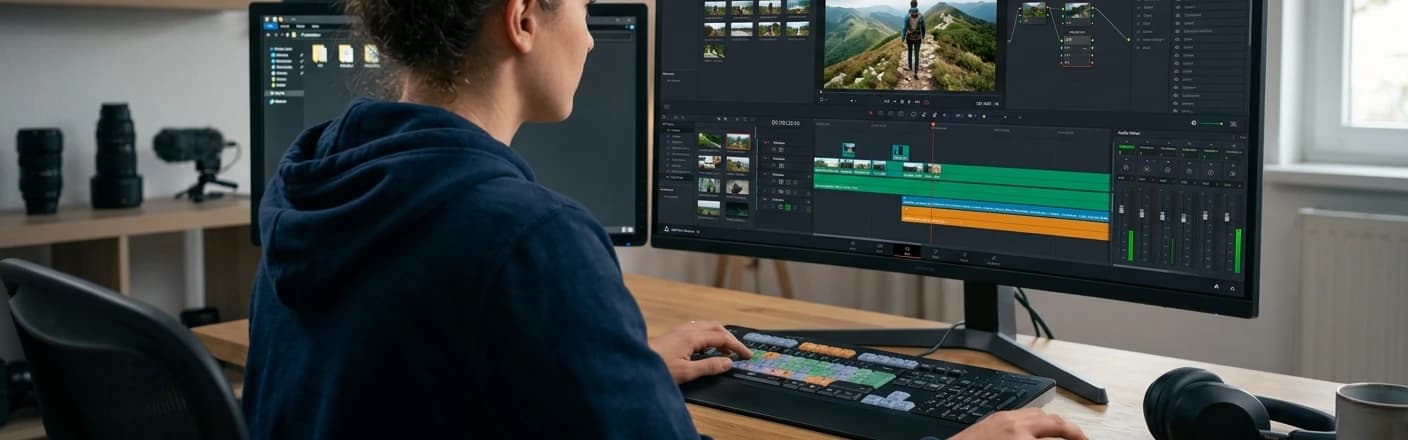
How to choose music for a video without taking risks
Do you use music in your videos, reels, or commercials? Here is what you need to know about licenses to avoid surprises. A practical guide for videomakers, content creators, and small agencies.
You shot a video, edited a reel, produced a commercial for a client. All that is missing is the music. You open Spotify, find the perfect track, and put it under the images. It works. Then the notification arrives: content removed for copyright violation.
It happens more often than you think. And the problem is not the platform -- it is the license.
Listening is not using
When you listen to a track on Spotify or Apple Music, you are using a personal listening license. When you put it in a video (even a reel, even non-commercial), you are making a synchronization: you are pairing music with images. And for that, you need a different license.
This applies to everyone: freelance videomakers, agencies, film productions, brands creating social content. The size of the project does not matter.
Your options
- Royalty-free music: you buy it once and use it according to the license terms. Affordable, but often generic. You risk finding the same track in dozens of other videos.
- Library music: professional catalogs with clear licenses. Higher quality than royalty-free, with costs varying by type of use.
- Direct license from a publisher: you contact whoever owns the rights and negotiate a custom license. Costs vary, but you get a unique track that no one else will have.
When it makes sense to contact a publisher
If your project needs a sonic identity (a documentary, a short film, a commercial with a budget, a web series), royalty-free music often is not enough. You need something written by real musicians, with polished production, something you will not find identical in a YouTube tutorial.
The difference between a video with generic music and a video with the right music is the same as the difference between reading and feeling.
How licensing works
When you request a synchronization license from a publisher, you will be asked:
- What type of production it is (commercial, film, web, social)
- Where it will be distributed (Italy, Europe, worldwide)
- For how long
- Whether exclusivity is needed
Based on this information you receive a quote. There is no fixed price: it depends on the project. A reel costs less than a TV commercial. An indie short film costs less than a national advertising campaign.
A piece of advice
Do not leave music for last. Choose it while you edit, not after. A track chosen at the right moment changes the rhythm of the images, the pauses, the cuts. Music is not decoration: it is part of the story.
If you have a project and are looking for original music for your productions, you can tell us about it on the Sync & Licensing page.
Want stories like this in your inbox.
No spam, only stories worth telling. Choose which brands to follow.
Subscribe →More news
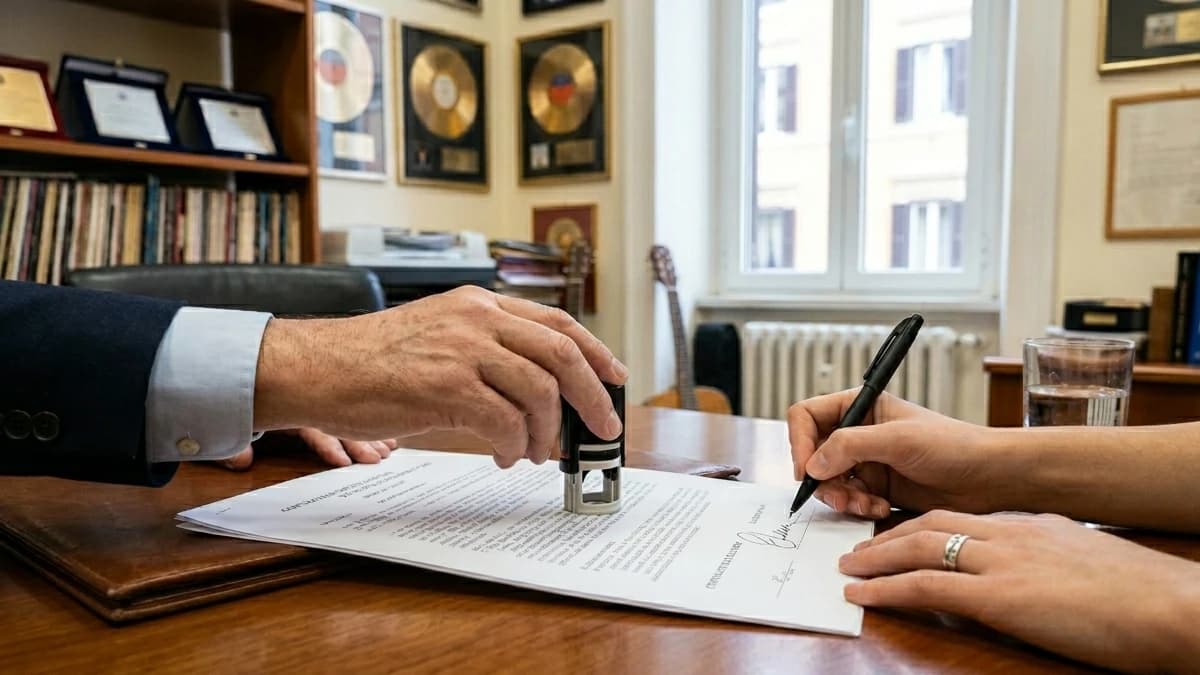
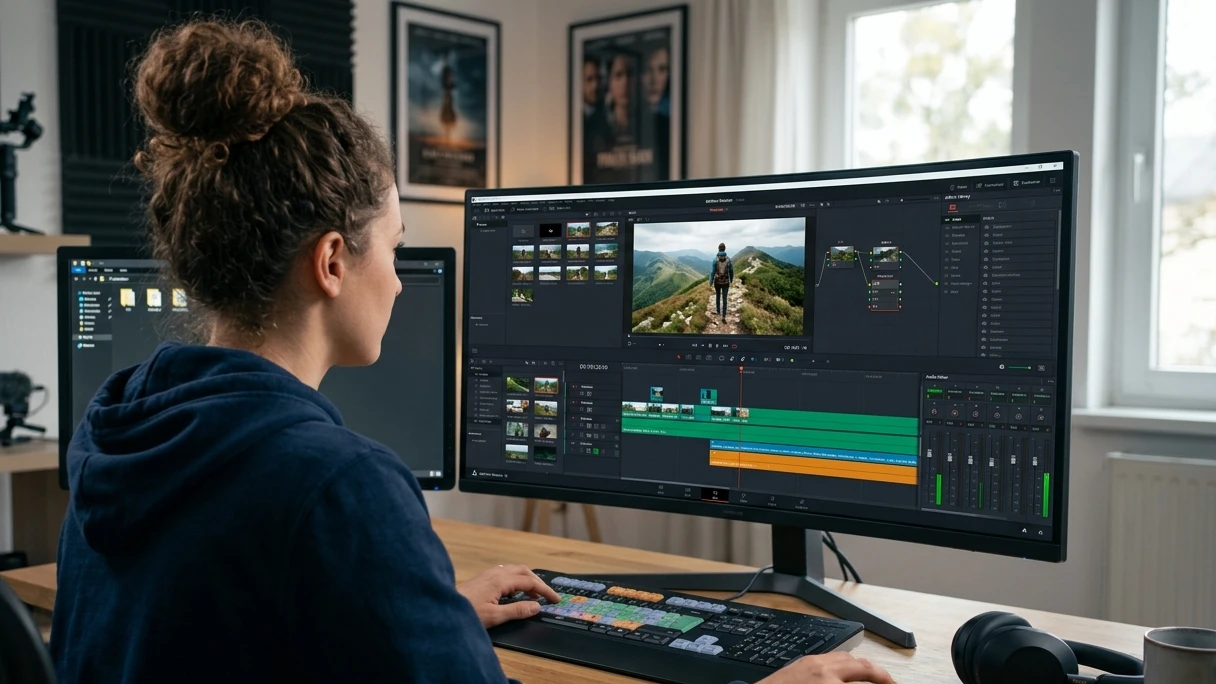
What a music publisher does and why you need one
Record label, publisher, distributor: three different roles that are often confused. Here is what a music publisher actually does, what it does not do, and when it makes sense to find one.
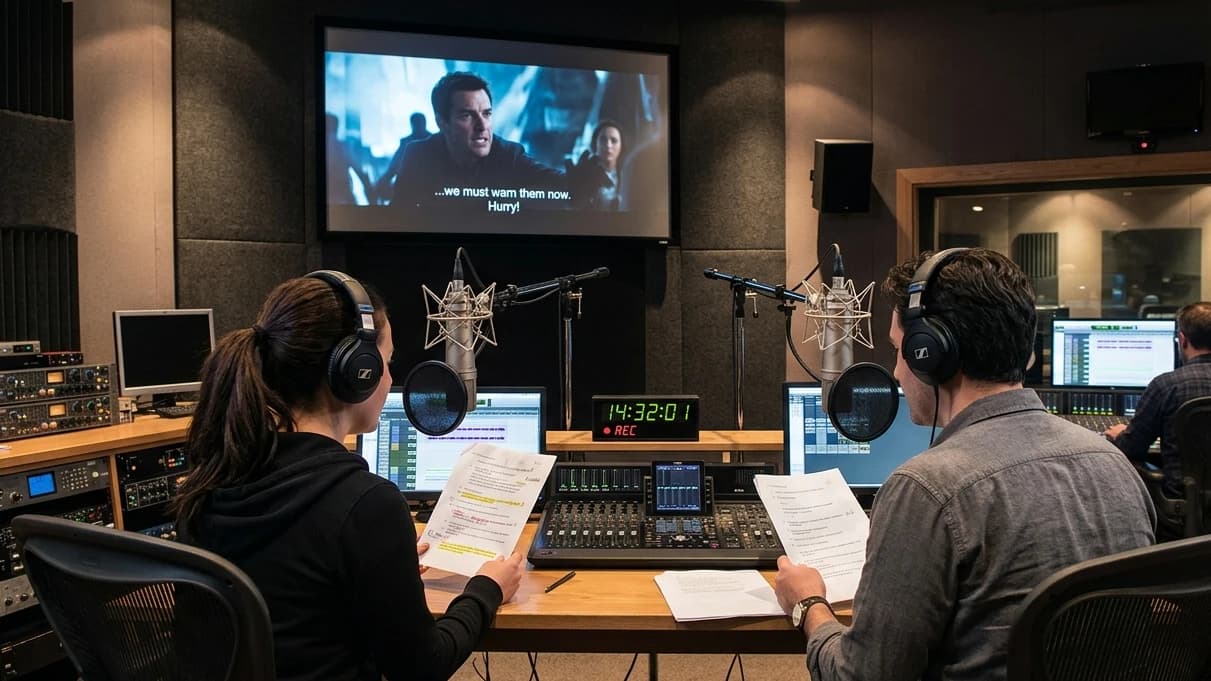
How to get your music into the world of synchronization
If you are an artist or songwriter and want your music used in films, TV series, commercials, and video games, here is what you need to know about sync licensing and how to get started.
 d00b
d00bWe need rock. That's why we started d00b
While tens of thousands of AI-made songs get uploaded every single day, we at Mhodì decided to walk the other way. This is d00b, our new rock division. We're looking for real bands to produce and release, wherever they are. We're already choosing: the first productions arrive in 2027.