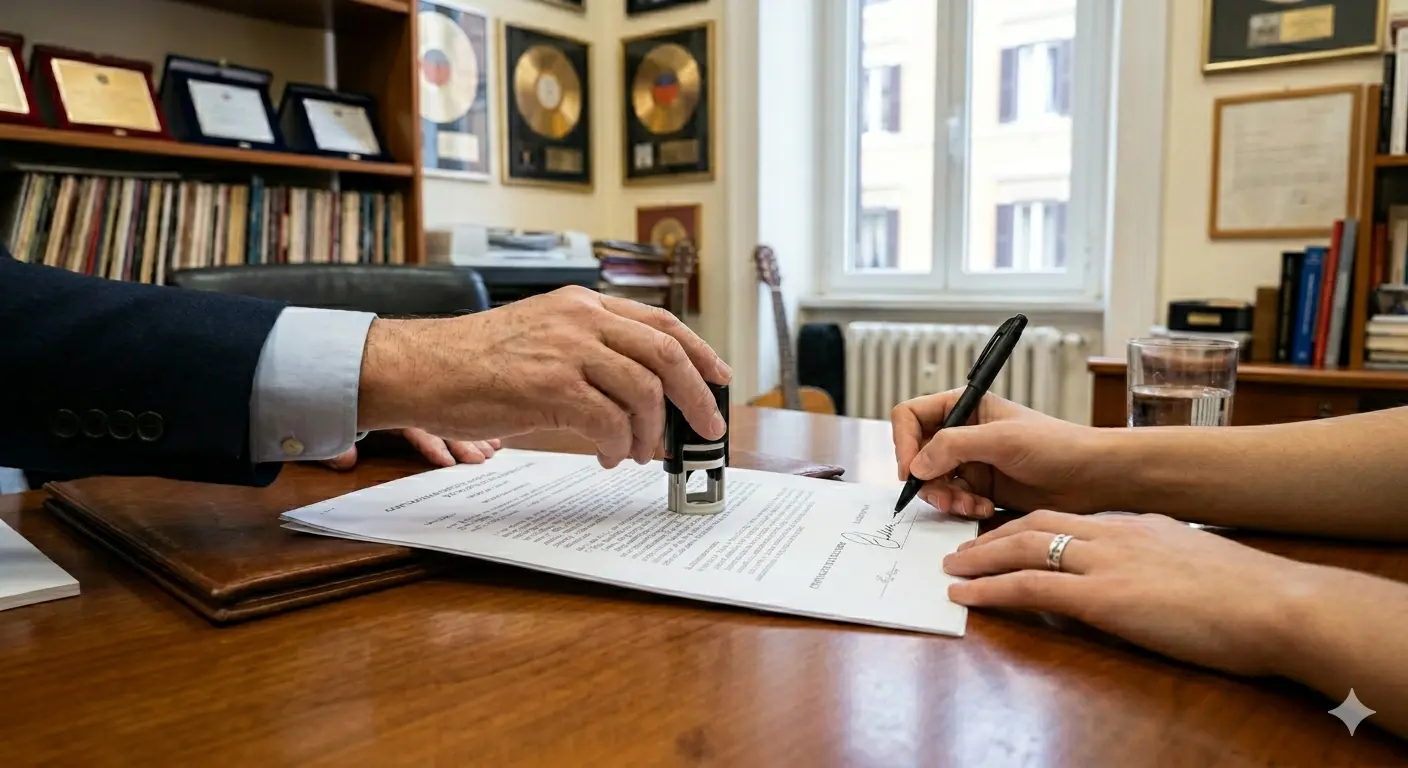
What a music publisher does and why you need one
Record label, publisher, distributor: three different roles that are often confused. Here is what a music publisher actually does, what it does not do, and when it makes sense to find one.
If you make music, at some point someone told you that you should "find a publisher." But what exactly does a music publisher do? And more importantly: is it the same thing as a record label?
No. They are two different jobs. And confusing them can cost you dearly.
The label produces, the publisher administers
A record label handles the recording: it funds or co-funds production, distributes the master (the finished audio file), and promotes the release. It owns or co-owns the rights to the recording (the master).
A music publisher handles the composition: it administers the publishing rights of the song (lyrics and music), registers them with SIAE or other collecting societies, collects royalties generated by usage, and seeks synchronization opportunities (film, TV, commercials, video games).
In short: the label works on the sound, the publisher works on the song.
What a publisher actually does
- Registers works with SIAE and equivalent foreign collecting societies
- Collects royalties generated by radio, TV, streaming, live performances, covers
- Pitches songs for synchronization in audiovisual productions
- Negotiates licenses with anyone who wants to use your music
- Manages sub-publishing abroad (if your song is used in another country, someone needs to collect that money for you)
- Monitors that no one uses your music without authorization
What a publisher does NOT do
A publisher does not produce your record, does not pay for your recording, does not organize your concerts, does not manage your social media. It is not a manager and it is not a label. If someone offers you a publishing contract that includes all these services, read it very carefully.
When you need a publisher
If you write original songs and your music is being listened to (streaming, radio, live), you are generating publishing royalties. Without a publisher, SIAE still collects those royalties, in Italy and, through its agreements with foreign collecting societies, abroad as well, and pays them directly to you. What is missing is someone actively administering your catalog: a publisher registers and follows your works, monitors their usage and creates greater opportunities, such as synchronizations, sub-publishing abroad and new licenses. If your song ends up in an audiovisual production or is pitched abroad, without a publisher following it you risk missing unregistered uses and licensing opportunities.
Furthermore, without a publisher no one actively pitches your songs for sync. And sync, for an independent artist, is often the most tangible source of income after live performance.
How to choose a publisher
Not all publishers work the same way. Before signing, ask yourself:
- Do they have an active network of contacts with music supervisors and productions?
- What is the contract duration? (Be wary of contracts longer than 3 years without exit clauses)
- What percentage do they retain? (The standard ranges from 20% to 40%)
- What happens if they generate no placements in 12-18 months?
- Can I see a report of activities performed?
A good publisher is not the one who promises you the most. It is the one who shows you what they have done for their artists.
Mhodì Music Publishing
Mhodì Music Publishing is the publishing division of Mhodì Music Company. We administer works, negotiate synchronization licenses, represent foreign publishers in Italy, and manage relationships with SIAE. Our artists access publishing.mhodi.com, a portal where they monitor royalties, statements, sync usage, and registered works in real time.
If you want to learn more about our publishing work, visit the Publishing page.
Want stories like this in your inbox.
No spam, only stories worth telling. Choose which brands to follow.
Subscribe →More news
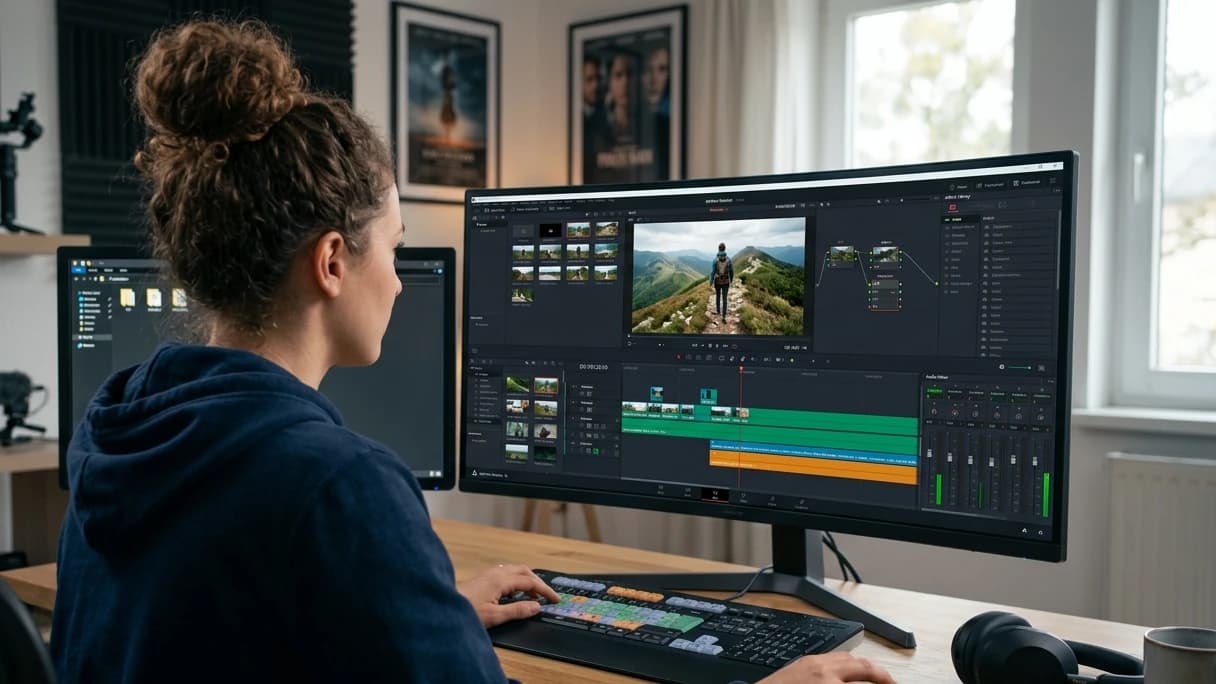
How to choose music for a video without taking risks
Do you use music in your videos, reels, or commercials? Here is what you need to know about licenses to avoid surprises. A practical guide for videomakers, content creators, and small agencies.
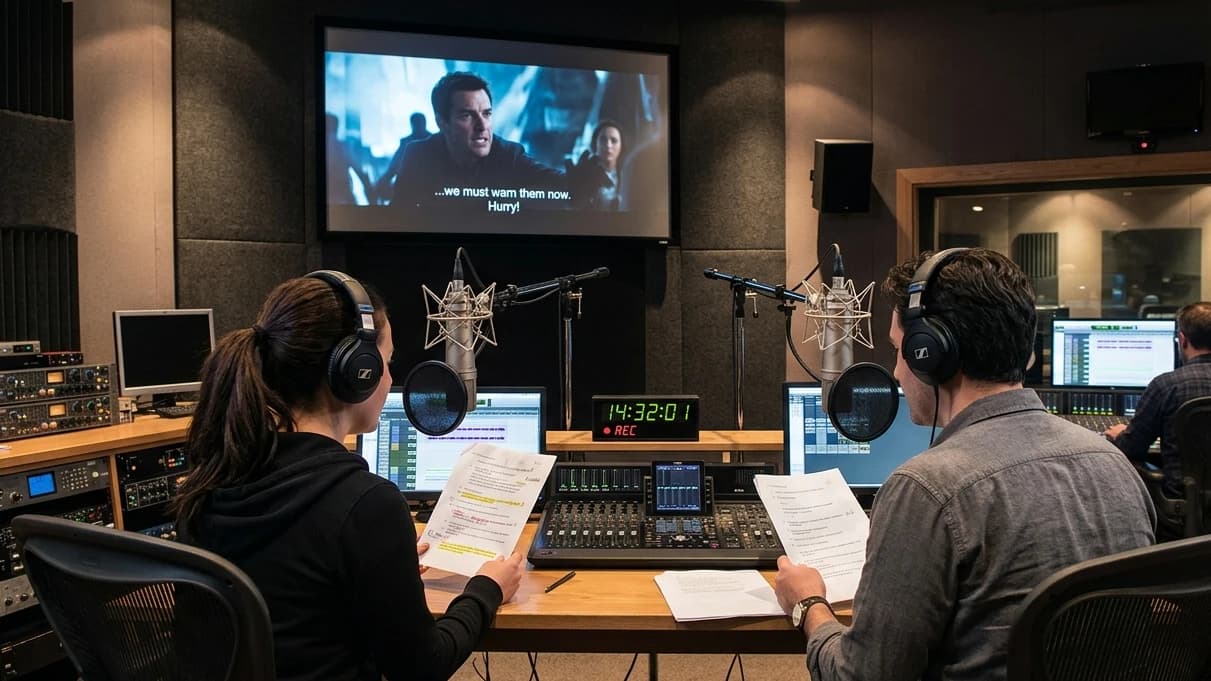
How to get your music into the world of synchronization
If you are an artist or songwriter and want your music used in films, TV series, commercials, and video games, here is what you need to know about sync licensing and how to get started.
 d00b
d00bWe need rock. That's why we started d00b
While tens of thousands of AI-made songs get uploaded every single day, we at Mhodì decided to walk the other way. This is d00b, our new rock division. We're looking for real bands to produce and release, wherever they are. We're already choosing: the first productions arrive in 2027.