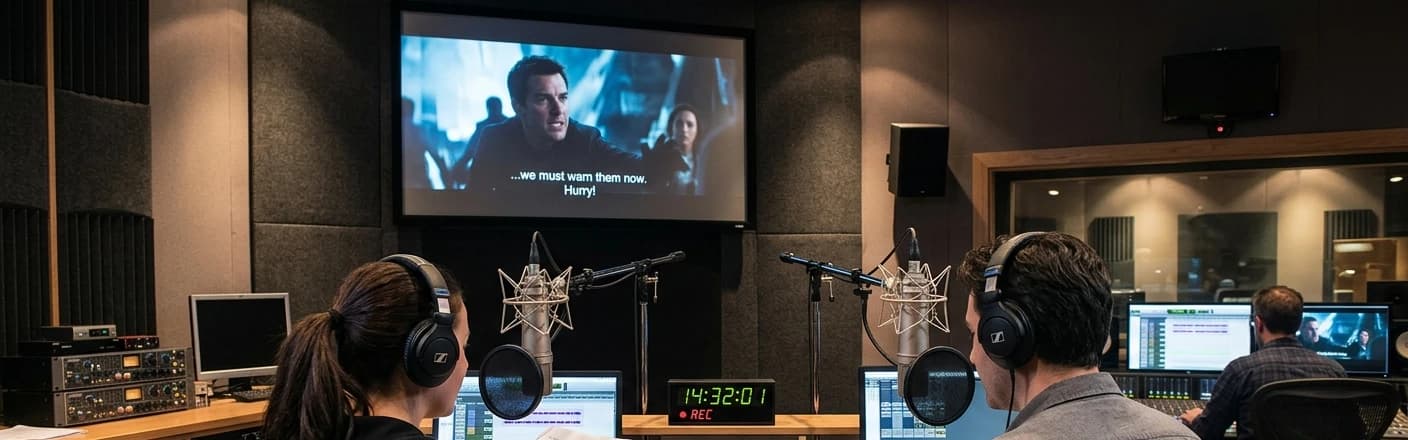
How to get your music into the world of synchronization
If you are an artist or songwriter and want your music used in films, TV series, commercials, and video games, here is what you need to know about sync licensing and how to get started.
If you make music, sooner or later you have asked yourself: how do I get one of my songs into a film, a TV series, a commercial, or a video game? The answer is called sync licensing (synchronization), and it is one of the most tangible sources of income for an independent artist.
What is synchronization
Every time a song is paired with a moving image, a license is required. This license is negotiated between whoever produces the audiovisual content (through a music supervisor) and whoever holds the rights to the song.
For each synchronization, two authorizations are needed:
- Master rights: the rights to the recording (usually held by the label)
- Publishing rights: the rights to the composition (held by the songwriter and their publisher)
If you hold both rights, or if your label and your publisher are the same entity, the process becomes much faster. This is an enormous competitive advantage.
What music supervisors look for
Those who choose music for productions are not looking for the most famous track. They are looking for the right one for the scene. Specifically, they look for:
- Tracks with professional recording quality (master-ready)
- Clear and easily negotiable rights
- Fast responses (deadlines are always tight)
- Variety of mood, genre, and language
A lesser-known track that is perfect for a scene is worth more than a worldwide hit that does not fit the project.
How to prepare
If you want your music to be considered for synchronization, there are some things you can do:
- Record at professional quality. A home demo is not enough: the track must be ready to use as-is.
- Keep your rights in order. Know exactly who owns what. If you have co-writers, reach an agreement beforehand.
- Work with a publisher, but choose carefully. A music publisher has contacts with music supervisors and knows how to pitch songs. Without a publisher, your track is unlikely to reach the desk of the decision-maker. However, be careful: signing a publishing contract means giving up a share of the rights to your music, often for many years. Carefully evaluate the contract duration, percentages, what happens in case of inactivity, and above all whether the publisher actually has an active network of sync contacts. A publisher who collects catalog without working it brings you no benefit.
- Create instrumental versions. Many synchronizations require vocal-free versions. Having them ready gives you an advantage.
- Do not limit yourself to one genre. Productions look for everything: folk, jazz, classical, electronic, singer-songwriter. Niche music often has more opportunities than mainstream music.
How much can you earn
There is no fixed price list. Compensation depends on the type of production (cinema, TV, web, social), the territory, the duration of use, and exclusivity. It ranges from a few hundred euros for social media use to significant amounts for a national TV commercial or an international film.
On top of this come the SIAE publishing royalties generated every time the content is broadcast: a song placed in a series that airs for years continues to generate royalties.
What Mhodì Music Publishing does
Mhodì Music Publishing represents an independent publishing catalog. For every song in our catalog, we manage both master rights and publishing rights, which means a single point of contact for music supervisors and fast response times.
If you are an artist and want your music to enter the sync circuit, the first step is having a publisher who believes in it and knows where to pitch it. If you think your project could work in this context, you can tell us about it here.
Want stories like this in your inbox.
No spam, only stories worth telling. Choose which brands to follow.
Subscribe →More news
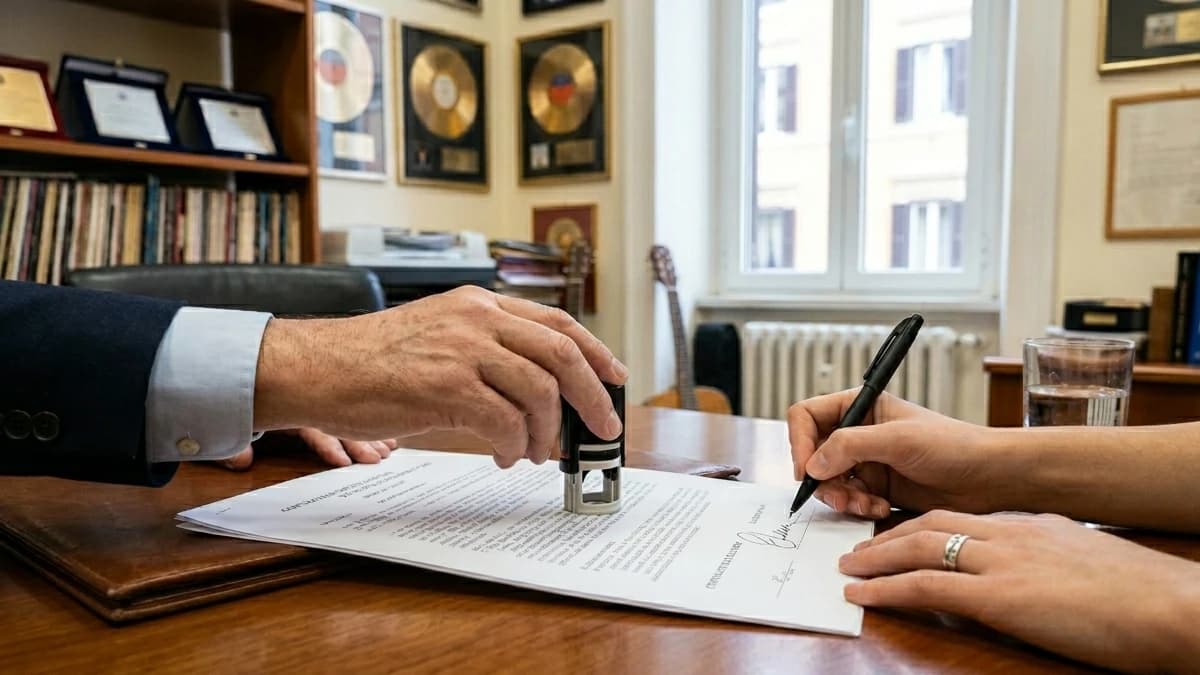
What a music publisher does and why you need one
Record label, publisher, distributor: three different roles that are often confused. Here is what a music publisher actually does, what it does not do, and when it makes sense to find one.
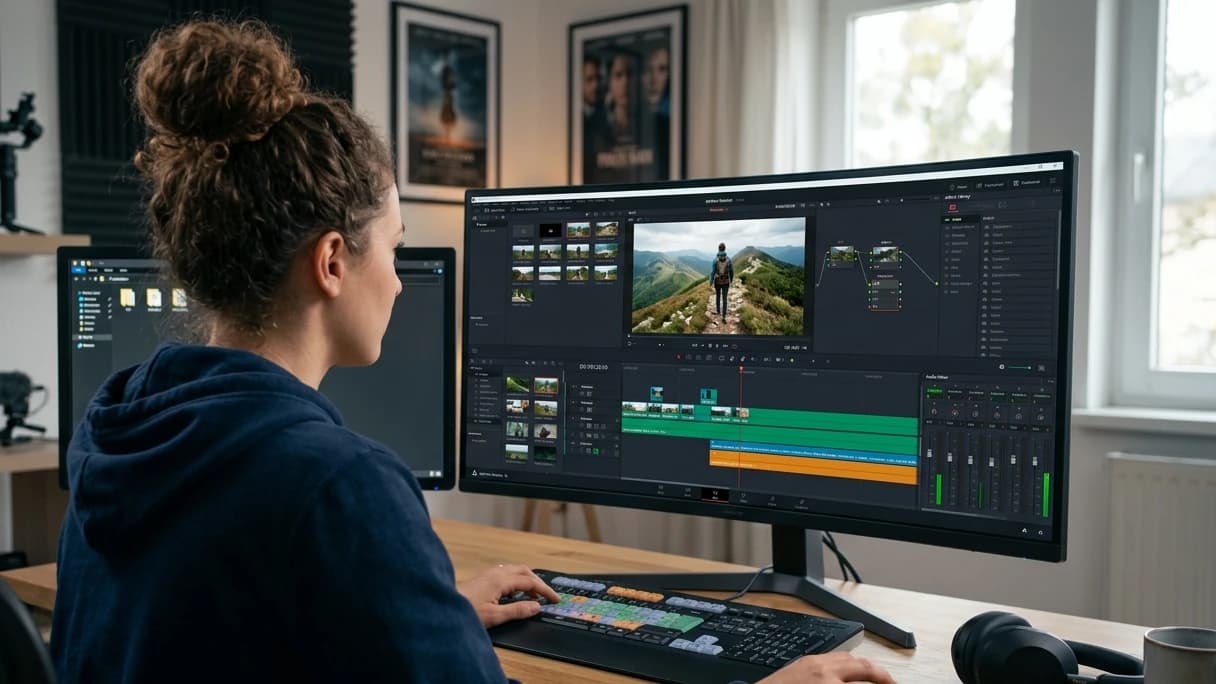
How to choose music for a video without taking risks
Do you use music in your videos, reels, or commercials? Here is what you need to know about licenses to avoid surprises. A practical guide for videomakers, content creators, and small agencies.
 d00b
d00bWe need rock. That's why we started d00b
While tens of thousands of AI-made songs get uploaded every single day, we at Mhodì decided to walk the other way. This is d00b, our new rock division. We're looking for real bands to produce and release, wherever they are. We're already choosing: the first productions arrive in 2027.