Distributing music independently: what it really means to be independent
Sign with a label or distribute on your own? What changes, what you gain, and what you lose. A guide for those who want to understand before choosing.
Today any artist can put their music on Spotify, Apple Music, Amazon, and dozens of other platforms without going through a record label. All you need is a digital distributor, an account, and a credit card. But "being able to" does not mean "knowing how to," and above all it does not mean it is always the right choice.
What a digital distributor does
A distributor is the technical bridge between you and the platforms. It takes your track (audio, artwork, metadata) and delivers it to Spotify, Apple Music, YouTube Music, Deezer, Tidal, and all the others. It handles the logistics: ISRC codes, UPC, formatting, delivery.
Some distributors offer basic services (delivery only), others add analytics, YouTube monetization, playlist pitching, and rights administration.
Label or self-distribution?
The difference is not just financial. When you sign with a label, you give up a share of your rights in exchange for production, promotion, networking, and strategy. When you distribute on your own, you keep everything but have to do everything: recording, promotion, communication, rights management, accounting.
There is no one-size-fits-all answer. It depends on where you are in your journey.
- You are just starting out and want to test the market with a single or an EP? Self-distribution is the fastest and least binding way to get started.
- You already have an audience and know how to promote yourself? You might not need a label for your current releases.
- You want to take a leap in production quality, sync, or international promotion? A label or a publisher with an active network can make the difference.
What "independent" really means
Being independent does not mean doing everything alone. It means choosing who to work with, on what terms, without being tied to structures that do not represent you.
Independence is not the absence of collaboration. It is the freedom to choose the right collaborations.
An independent artist can have a distributor, a publisher, a promoter, a booking agent. The difference is that they chose them, not had them imposed.
Watch out for hidden costs
Some distributors are free but take a percentage of royalties (even 15-30%). Others charge an annual subscription but let you keep 100% of your earnings. Still others offer "promo packages" that in reality deliver no measurable results.
Before choosing a distributor, check:
- How much they retain from royalties
- Whether there are annual fees or per-release costs
- Whether you can withdraw your music whenever you want
- How and when royalties are paid
- Whether your rights remain 100% yours
You Independent
You Independent is the digital distribution service of Mhodì Music Company. It was created for those who want to distribute their music on global platforms while retaining their rights and artistic freedom. If you want to learn more, visit youindependent.com.
Want stories like this in your inbox.
No spam, only stories worth telling. Choose which brands to follow.
Subscribe →More news
 d00b
d00bWe need rock. That's why we started d00b
While tens of thousands of AI-made songs get uploaded every single day, we at Mhodì decided to walk the other way. This is d00b, our new rock division. We're looking for real bands to produce and release, wherever they are. We're already choosing: the first productions arrive in 2027.
 Mhodì Records
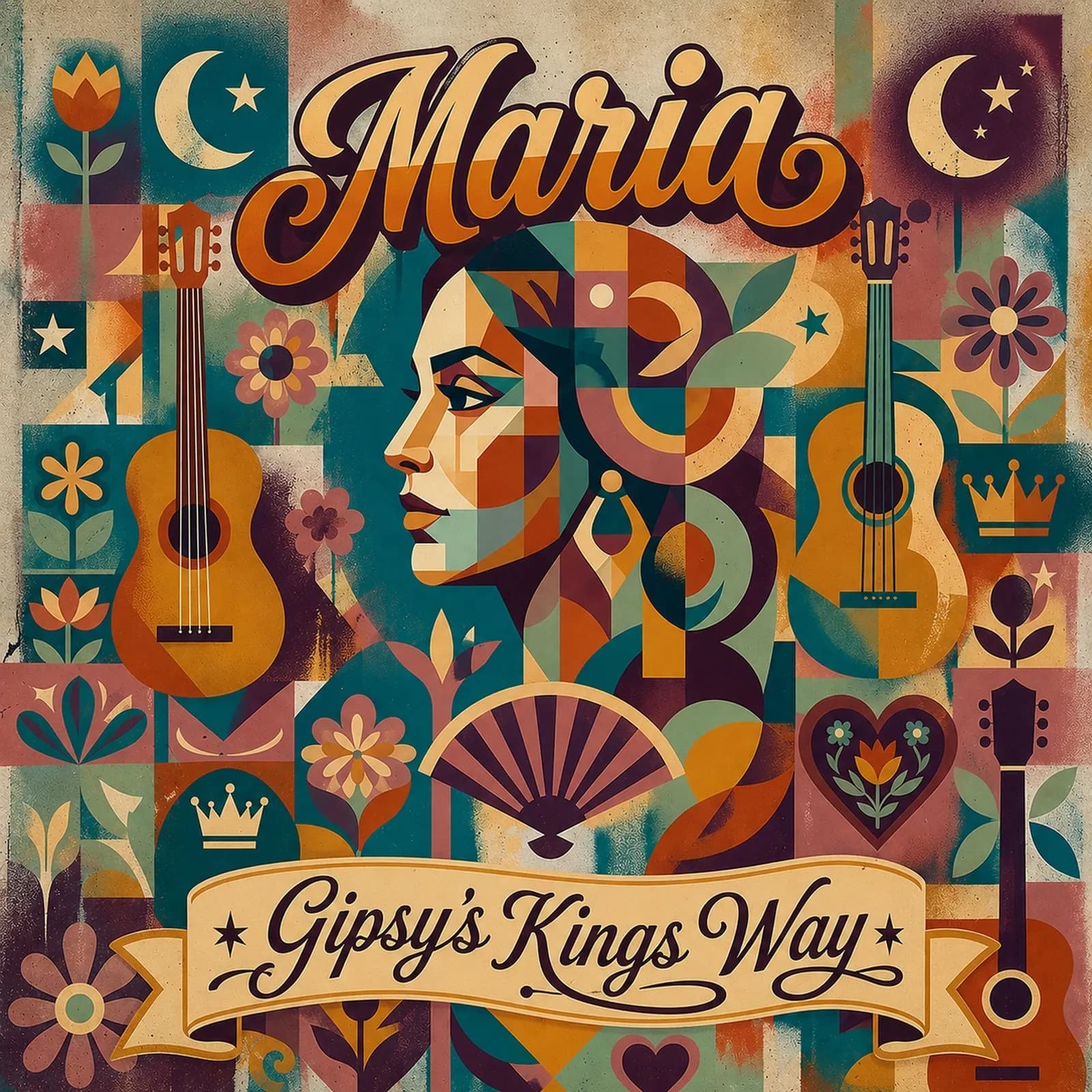
Maria is the new single by Gipsy's Kings Way by Pablo Reyes
Maria is the new single by Gipsy's Kings Way, the project led by singer and guitarist Pablo Reyes, out on Friday 17 July 2026. An all-new track that reinterprets flamenco rumba with contemporary production, without giving up the roots of its sound.
 Anaglyphos
Anaglyphos: thirty years of music in search of emotions
Founded in 1996 by double bassist Nello Toscano, Anaglyphos Records has spent three decades of Italian music working outside the trends. From Mediterranean jazz to instrumental research, the story of a niche catalog that has always put listening before market.